Early Childhood Mental Health Awareness Month
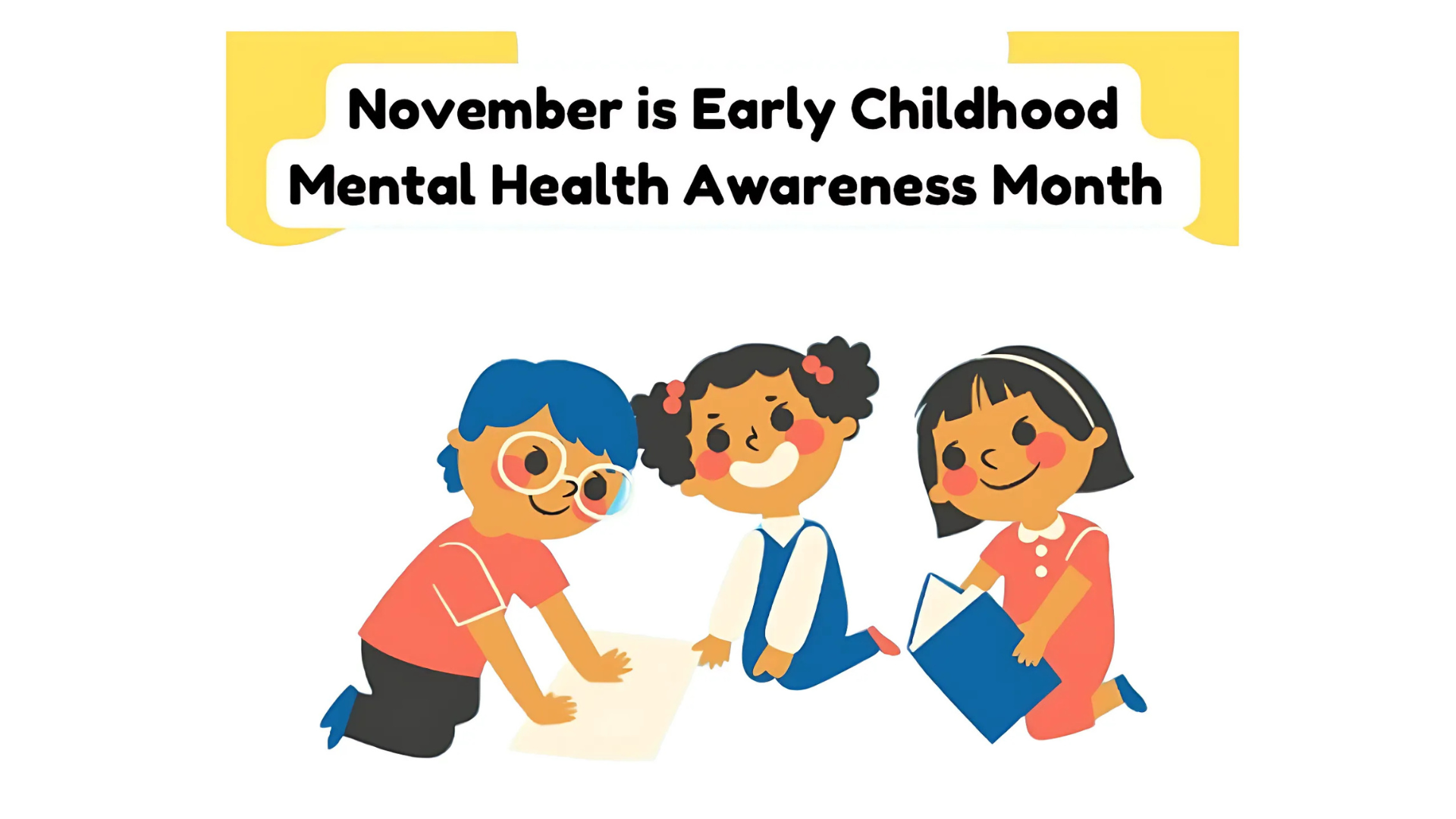
November is designated as Early Childhood Mental Health Awareness Month, a time to shine a light on the importance of mental health in our youngest children. Just like adults, children can experience mental health challenges, and recognizing these issues early can make a significant difference in their overall well-being and development.
What to Look For as Parents
As parents, it’s crucial to be aware of the signs that may indicate a child is struggling with their mental health. Here are some common signs to watch for:
- Changes in Behavior: Sudden changes in behavior, such as increased irritability, aggression, or withdrawal from activities they once enjoyed, can be indicators of mental health issues.
- Difficulty with Emotions: If your child struggles to manage emotions, frequently displays intense anger or sadness, or has difficulty calming down after emotional outbursts, it may be a sign of underlying issues.
- Developmental Delays: Delays in speech, social skills, or other developmental milestones can sometimes be linked to mental health concerns.
- Changes in Sleep or Appetite: If your child experiences significant changes in sleep patterns or appetite, it could signal emotional distress. 5. Social Withdrawal: Avoiding friends or family, or showing disinterest in social interactions, may indicate that your child is struggling with their mental health.
What to Do as Parents
If you notice any of these signs in your child, here are some steps you can take:
- Open Communication: Create a safe and supportive environment for your child to express their feelings. Encourage open dialogue and let them know it’s okay to talk about what they’re experiencing.
- Seek Support: Don’t hesitate to reach out for professional help. A mental health professional can provide guidance, support, and resources tailored to your child’s needs.
- Engage in Play: Play is essential for children’s emotional development. Engage in activities that promote creativity and expression, such as art, music, or imaginative play.
- Establish Routines: Consistent routines can provide a sense of stability and security for children. Regular meal times, bedtimes, and family activities can help them feel grounded.
- Monitor Screen Time: Be mindful of your child’s screen time and the content they consume. Encourage activities that promote healthy interactions and learning.
Blue Umbrella Psychiatry’s Services
At Blue Umbrella Psychiatry, we recognize the significance of early mental health intervention and offer services for children aged 5 and up. Our founder, Dr. Eric Robbins, is board-certified in both adult and child and adolescent psychiatry, giving him a unique understanding of the mental health needs of children and adolescents.
Here’s what we provide:
- Comprehensive Assessments: We conduct thorough evaluations to understand your child's mental health needs and identify any areas of concern.
- Individual Therapy: While we may not have a therapist available for your child, we work with a wide range of trusted referrals in our area and know exactly who to refer your child to for specialized support.
- Family Therapy: Involving the family in therapy can create a supportive environment for children, fostering understanding and communication.
- Medication Management: For children who may benefit from medication, Dr. Robbins collaborates closely with families to create personalized treatment plans that prioritize the child’s well-being.
Conclusion
This November, let’s prioritize the mental health of our children and recognize the signs that may indicate they need support. At Blue Umbrella Psychiatry, we are committed to providing compassionate care for children and their families. With Dr. Robbins’s expertise in child and adolescent psychiatry, we offer a range of services designed to promote mental well-being and emotional resilience in young children. If you have concerns about your child's mental health, don’t hesitate to reach out to us. Together, we can nurture their emotional growth and development.