How Hot Weather Can Impact Mood, Irritability, and Anxiety
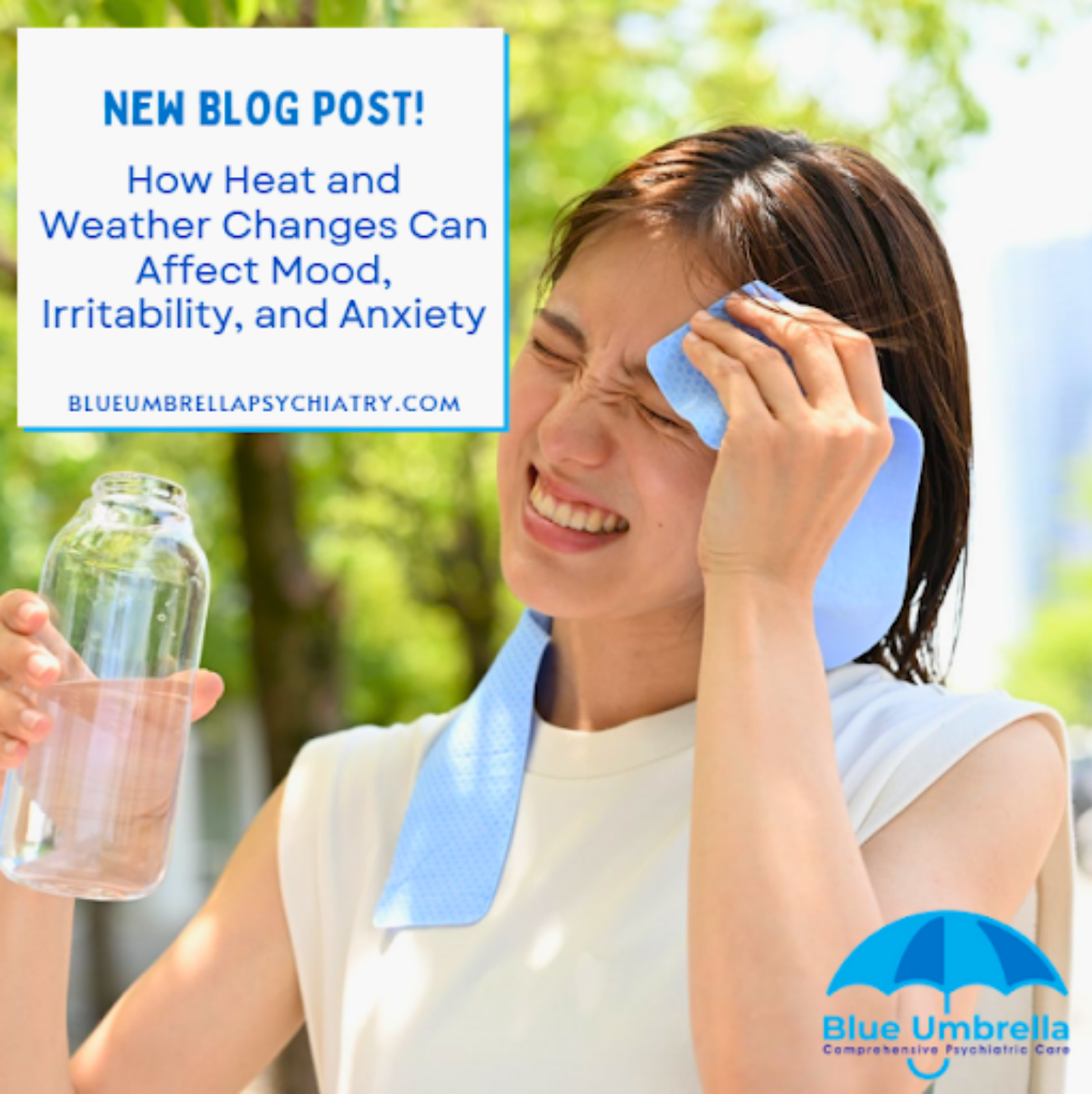
Many people notice shifts in their mood during the hotter months, but may not realize there is a real connection between temperature, physical stress, and mental health. At Blue Umbrella Psychiatry, we often see an increase in irritability, fatigue, and anxiety symptoms during periods of extreme heat or changing weather patterns.

How Heat Affects Mental Health
High temperatures can place physical stress on the body, which can also impact emotional regulation and mental clarity.
1. Sleep disruption
Hot weather can make it harder to fall asleep or stay asleep, which can lead to mood changes, poor focus, and increased emotional sensitivity.
2. Physical stress response
The body works harder to regulate internal temperature, which can increase fatigue and lower frustration tolerance.
3. Dehydration and fatigue
Even mild dehydration can contribute to headaches, brain fog, and heightened anxiety symptoms.
4. Overstimulation
Heat combined with busy or loud environments can overwhelm the nervous system more quickly.

Common Emotional Symptoms in Hot Weather
- Increased irritability
- Low frustration tolerance
- Anxiety or restlessness
- Difficulty concentrating
- Feeling emotionally on edge
How to Support Your Mental Health in the Heat
- Stay consistently hydrated throughout the day
- Spend time in cool, restful environments when possible
- Maintain a regular sleep routine
- Take breaks from overstimulating settings
- Use grounding techniques during moments of overwhelm
When to Seek Support
If mood changes during hot weather feel intense or persistent, they may be linked to underlying anxiety, mood disorders, or stress sensitivity. Professional support can help identify triggers and build effective coping strategies.
At Blue Umbrella Psychiatry, we offer comprehensive care including therapy, medication management, TMS, and Ketamine treatment to support emotional balance and mental wellbeing.