
Understanding How Online Habits Affect Emotional Wellbeing and Creating Healthier Digital Boundaries
Social media has transformed the way we communicate, share experiences, and stay connected with the world around us. Platforms that allow us to interact with friends, discover new ideas, and build communities can provide meaningful benefits for our mental health.
At the same time, spending too much time online or engaging with content that negatively affects our emotions can contribute to stress, anxiety, comparison, and feelings of disconnection.
Like many aspects of modern life, social media is not simply “good” or “bad.” The impact it has on mental health often depends on how we use it, how it makes us feel, and whether it supports or interferes with our overall wellbeing.
Finding a healthy balance allows us to enjoy the benefits of connection while protecting our emotional health.

The Connection Between Social Media and Mental Health
Social media can influence the way we think, feel, and interact with others. Online experiences can affect our mood, self-image, relationships, and daily habits.
Positive social media experiences may include:
- Staying connected with friends and family
- Finding supportive communities
- Learning new information and skills
- Sharing creativity and personal experiences
- Feeling connected during times of isolation
However, frequent or unhealthy social media use may contribute to:
- Increased stress or anxiety
- Feelings of loneliness
- Negative self-comparison
- Lower self-esteem
- Difficulty being present in everyday life
- Disrupted sleep patterns
- Feeling overwhelmed by constant information
Understanding your own relationship with social media is an important part of maintaining emotional wellness.
How Social Media Can Affect Self-Esteem
One of the biggest challenges of social media is that people often compare their everyday lives to carefully selected moments from others.
Many online posts highlight achievements, celebrations, vacations, and positive experiences while leaving out struggles, setbacks, and difficult moments. This can create unrealistic expectations and lead people to feel as though they are falling behind.
Social media comparison may contribute to thoughts such as:
- “Everyone else is happier than I am.”
- “I should be accomplishing more.”
- “My life does not measure up.”
- “Everyone seems to have things figured out except me.”
Recognizing that social media often represents only a small portion of someone’s life can help create a healthier perspective.
Social Media and Anxiety
For some individuals, social media can increase feelings of anxiety. Constant exposure to news, opinions, social pressures, and online interactions can keep the brain in a heightened state of alertness.
Social media-related anxiety may involve:
- Feeling pressure to respond immediately
- Worrying about how others perceive you
- Feeling overwhelmed by negative content
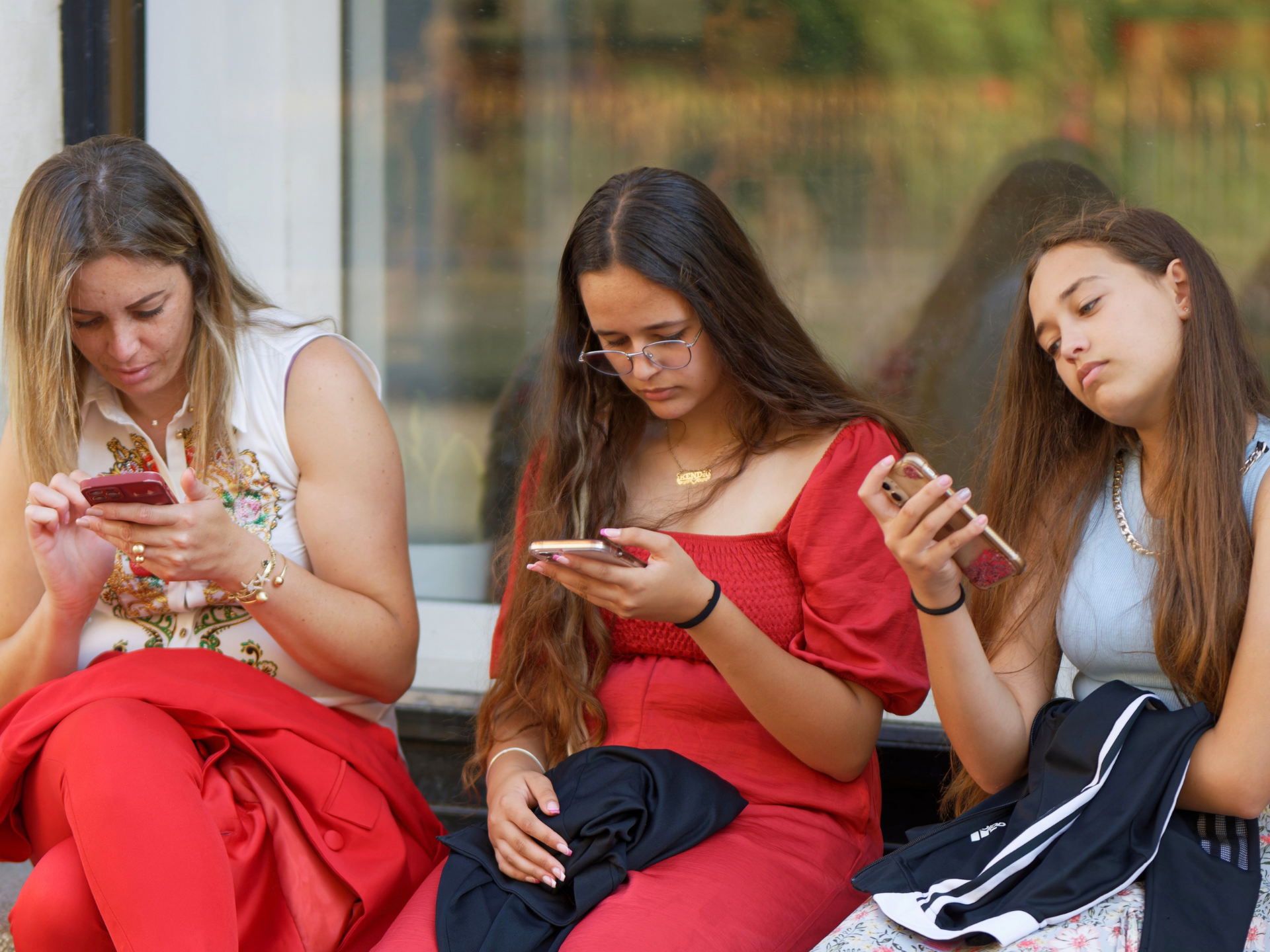
- Checking social media repeatedly throughout the day
- Experiencing fear of missing out (FOMO)
- Avoiding real-life interactions because online communication feels easier
While social media can create opportunities for connection, it is important to notice when online activity begins increasing stress rather than reducing it.
The Role of Social Media in Loneliness
Social media can create a sense of connection, but online interaction does not always replace meaningful in-person relationships.
A person may have hundreds of online connections but still feel lonely if they lack deeper emotional support and meaningful conversations.
Healthy connection often includes:
- Feeling understood by others
- Sharing experiences openly
- Receiving and offering support
- Spending quality time together
- Feeling a sense of belonging
Social media can complement relationships, but nurturing real-world connections remains an important part of mental health.
Signs Your Social Media Use May Be Affecting Your Mental Health
Social media habits can sometimes become difficult to manage or begin affecting emotional wellbeing.
Signs may include:
- Feeling anxious, sad, or upset after using social media
- Spending more time online than intended
- Comparing yourself negatively to others
- Checking notifications constantly
- Using social media to avoid difficult emotions
- Losing sleep because of screen time
- Feeling disconnected from activities you once enjoyed
- Feeling pressure to maintain an online image
Recognizing these patterns can help you make intentional changes.

Questions to Ask Yourself
Reflecting on your social media habits can help you understand whether your online experiences are supporting your mental health.
Consider asking yourself:
- How do I usually feel after spending time on social media?
- Does social media help me feel connected or more isolated?
- Am I following accounts that support my wellbeing?
- Do I compare myself to others online?
- Am I using social media intentionally or automatically?
- What activities bring me happiness outside of technology?
Awareness is the first step toward creating healthier digital habits.
How to Create a Healthier Relationship With Social Media
Finding balance does not mean you have to completely avoid social media. Small changes can help you use technology in a way that supports your mental health.
Helpful strategies may include:
- Setting boundaries around screen time
- Taking intentional breaks from social media
- Unfollowing accounts that negatively affect your mood
- Following content that inspires or educates you
- Avoiding social media right before bedtime
- Turning off unnecessary notifications
- Prioritizing face-to-face connection
- Being mindful of how certain platforms make you feel
Healthy social media use is about making choices that align with your emotional wellbeing.
The Importance of Being Present
While social media can help us stay connected, it can also distract us from the moments happening around us. Constantly checking updates or documenting experiences can sometimes take away from fully experiencing them.
Practicing presence may include:
- Enjoying activities without feeling the need to share them online
- Spending uninterrupted time with loved ones
- Creating technology-free moments throughout the day
- Paying attention to your thoughts and emotions
Balance allows technology to remain a tool for connection rather than a source of stress.
When to Seek Additional Support
If social media use is contributing to anxiety, depression, loneliness, sleep difficulties, or challenges in relationships, professional support may be helpful.
A mental health provider can help you understand patterns, identify underlying concerns, and develop strategies for improving emotional wellbeing. Treatment may include therapy, medication management, lifestyle changes, or other evidence-based approaches based on your individual needs.
Mental Health Support at Blue Umbrella Psychiatry
At Blue Umbrella Psychiatry, we provide personalized psychiatric care designed to meet each patient's unique needs. Our comprehensive services include psychiatric evaluations, medication management, therapy, Transcranial Magnetic Stimulation (TMS), and Ketamine treatment when clinically appropriate.
We partner with our patients to create individualized treatment plans that support lasting mental wellness and help individuals develop healthier ways to manage emotional challenges.
Take Action
Social media is a powerful tool that can help us connect, learn, and share experiences. However, protecting your mental health requires being mindful of how online interactions affect your emotions and daily life.
Creating a healthier relationship with social media starts with awareness, boundaries, and intentional choices. Small changes can make a meaningful difference in how you feel both online and offline.
If you have been struggling with anxiety, low mood, stress, or feeling disconnected, Blue Umbrella Psychiatry is here to help. Taking steps toward better mental health can begin with understanding your experiences and finding the support that works for you.