Why You Feel Exhausted After Social Gatherings and Holidays
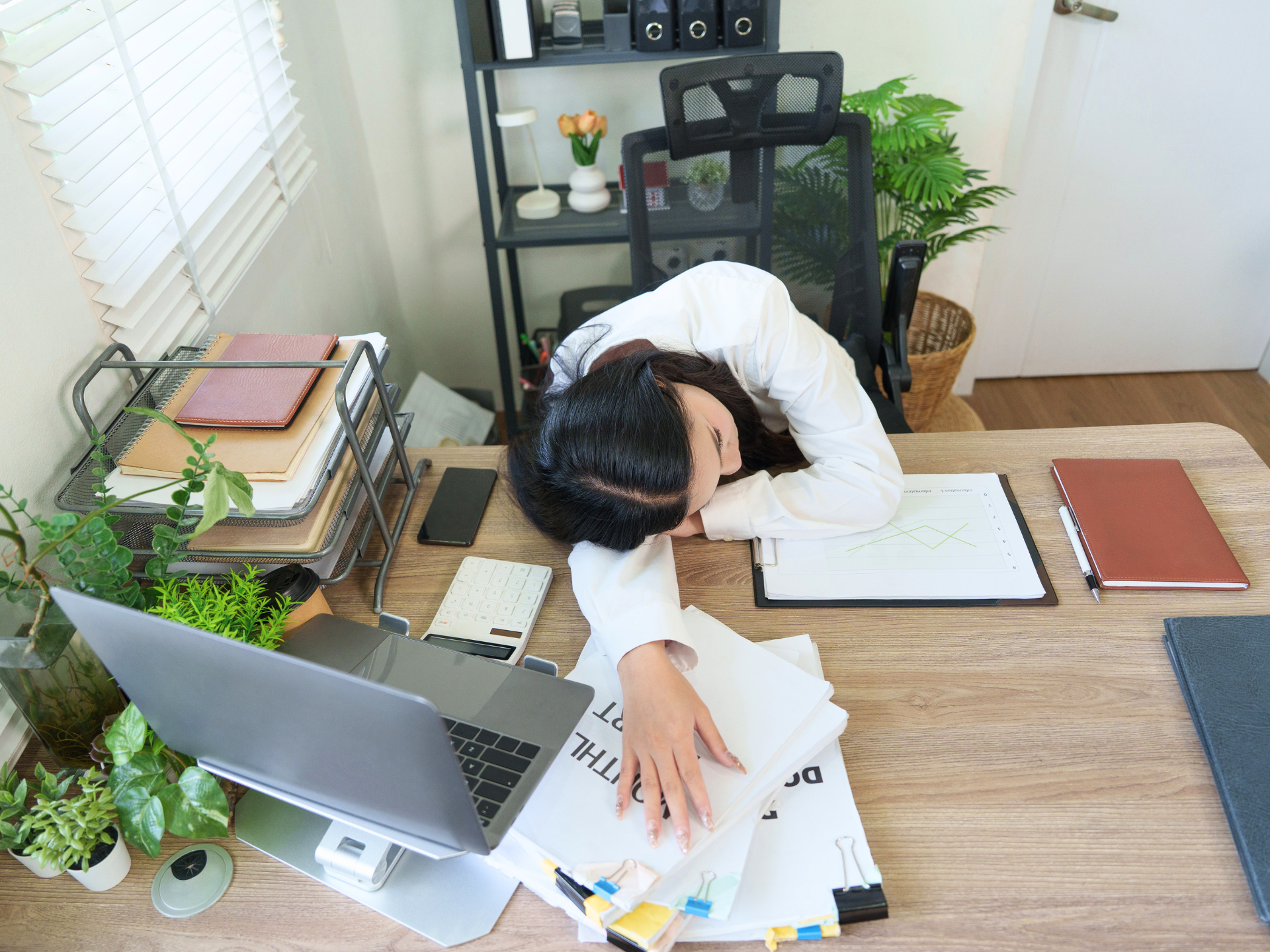
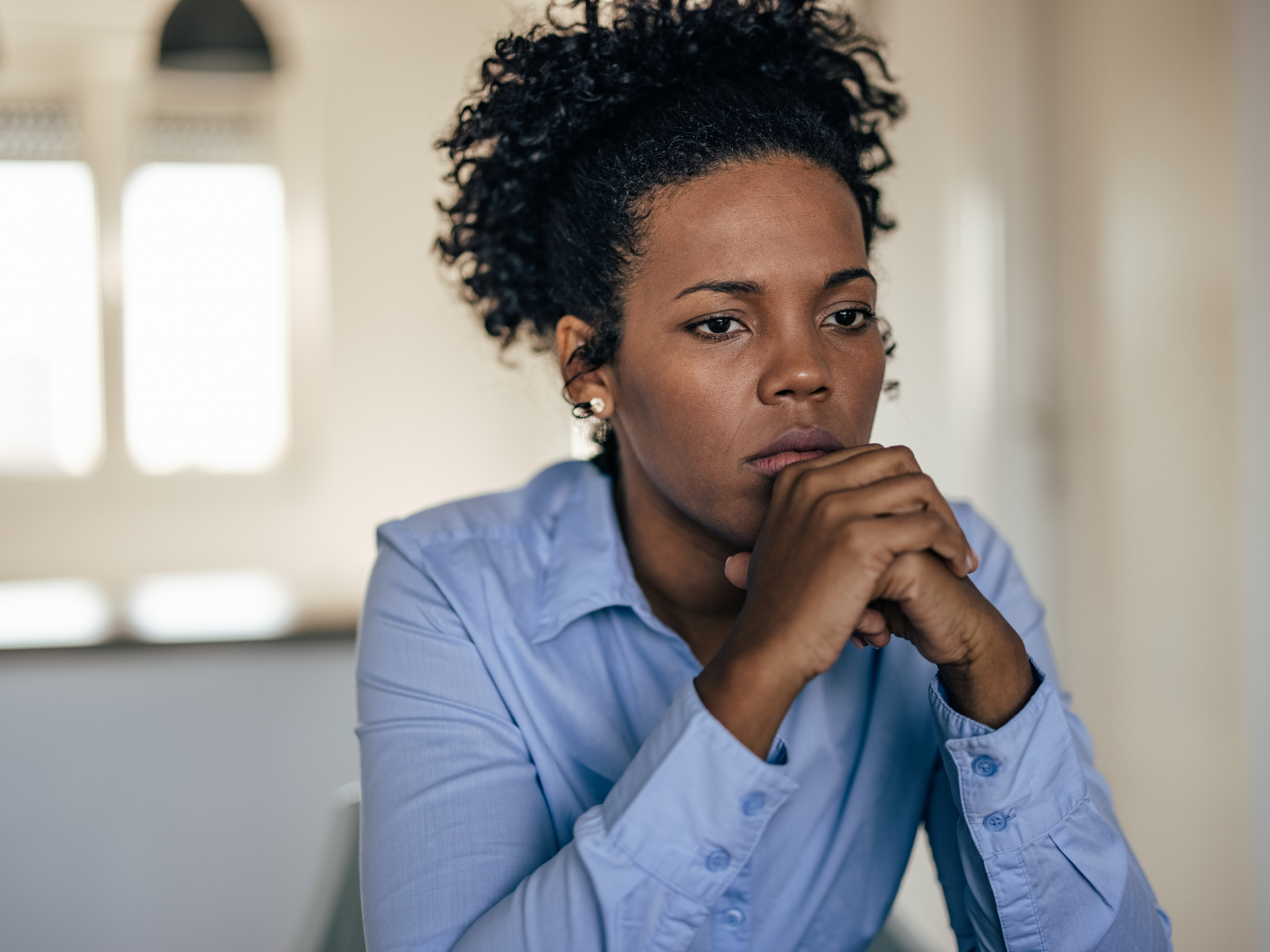
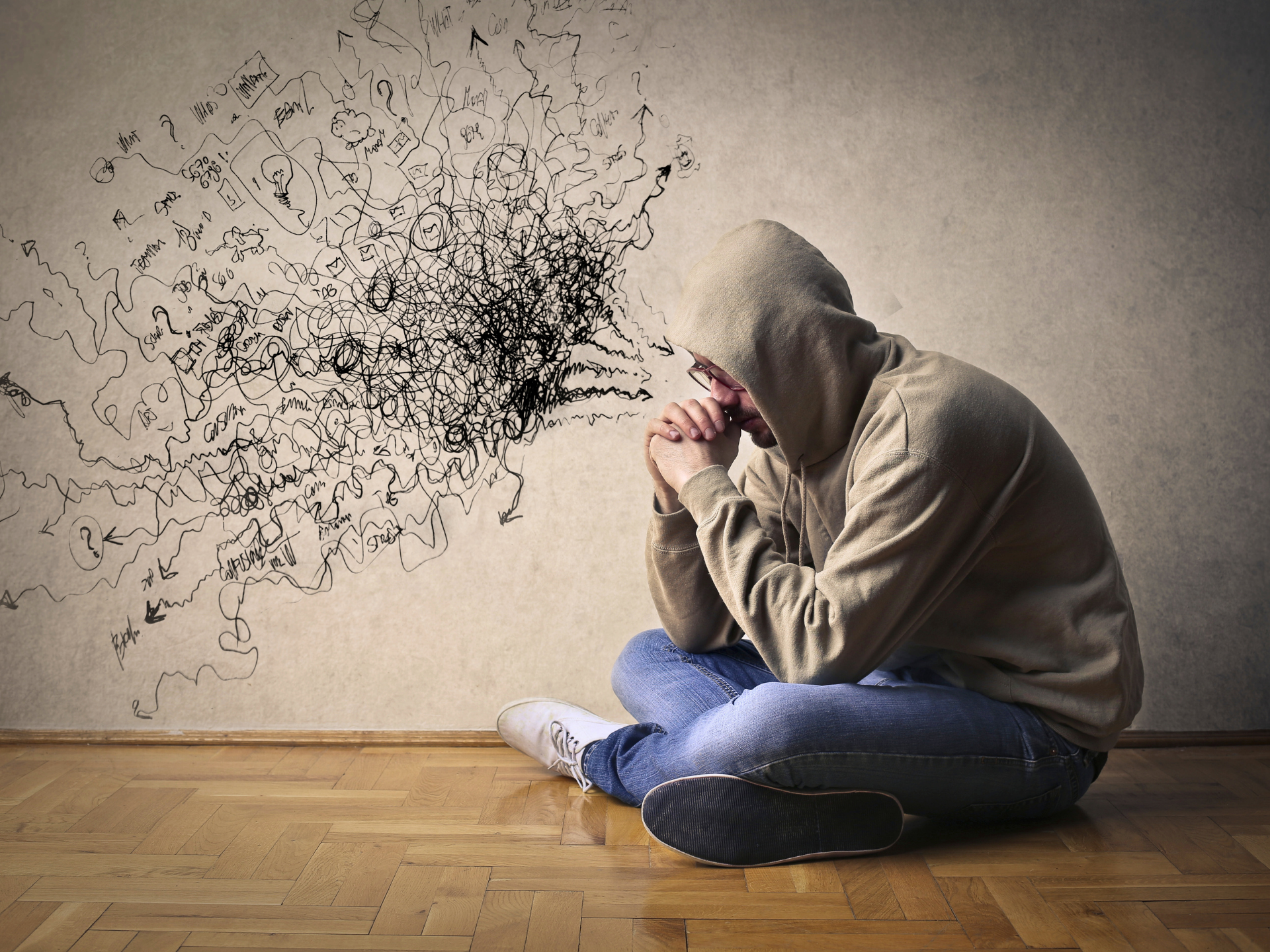
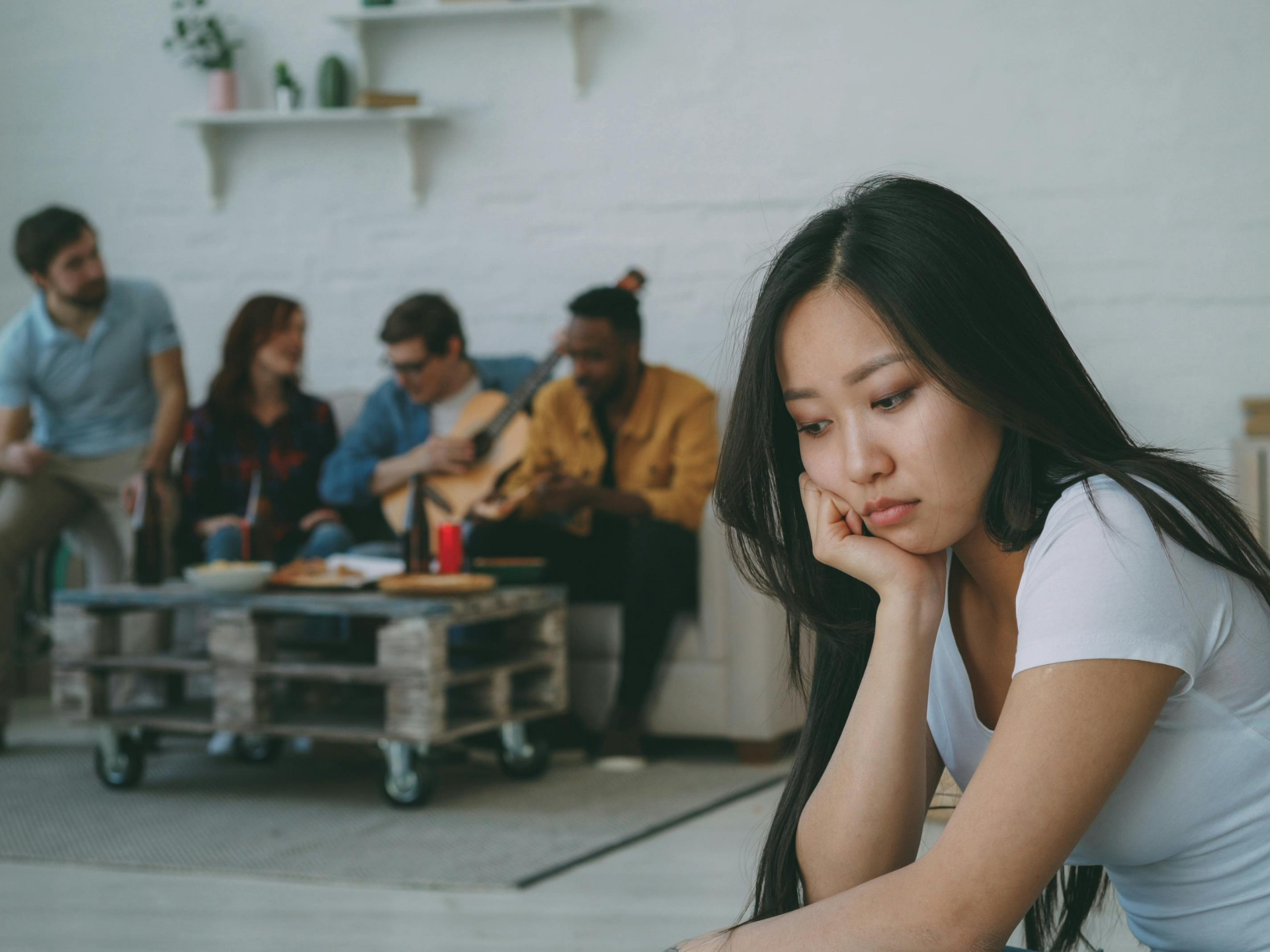
Many people expect holidays and social gatherings to feel fun or refreshing, but for some, the days that follow can bring exhaustion, irritability, or emotional burnout. This experience is often referred to as post-social burnout, and it is more common than many realize.
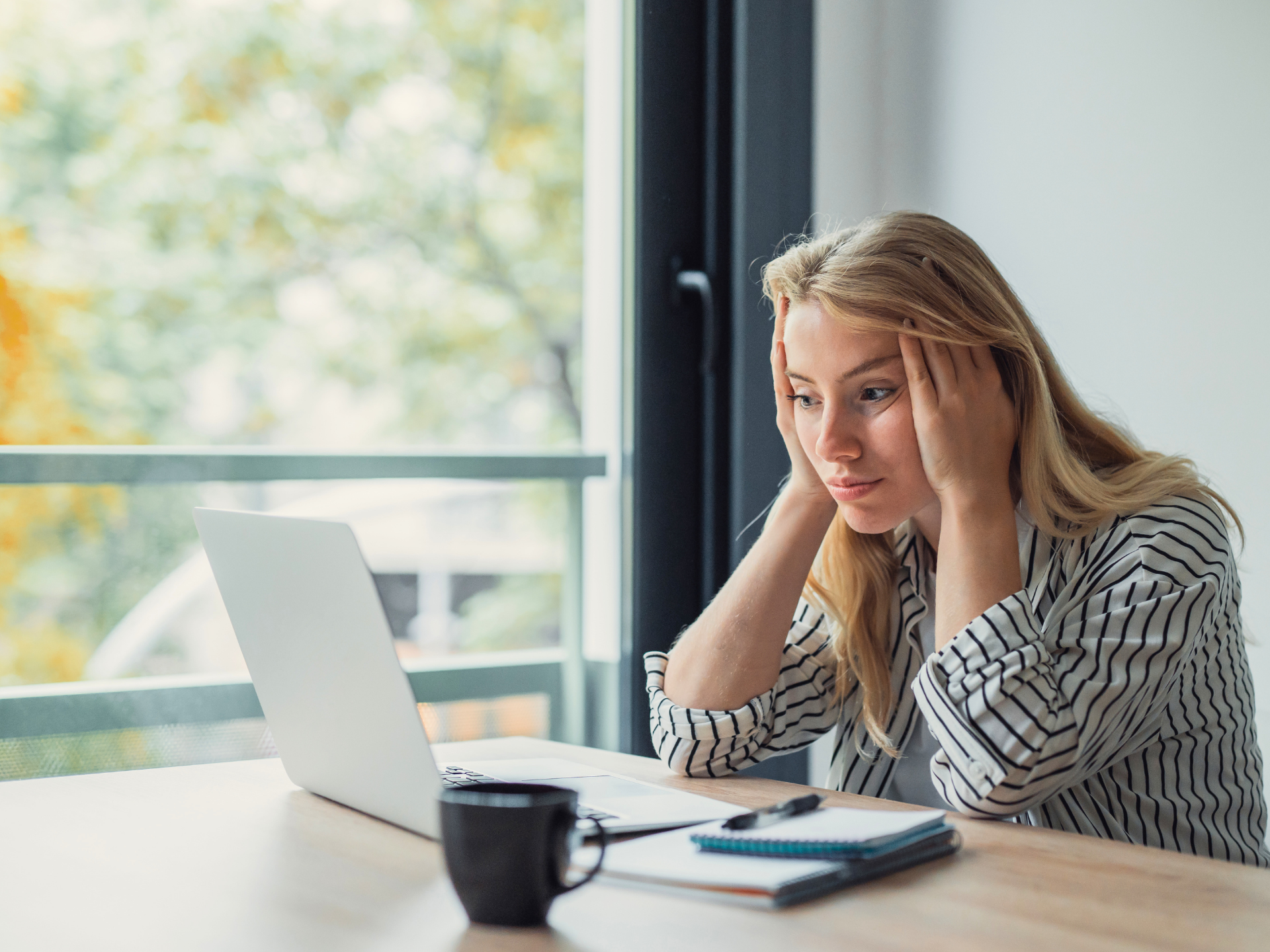
Why You Feel Drained After Social Events
Social events often require significant emotional and mental energy. Even positive interactions can place strain on the nervous system.
Common causes include:
1. Social energy depletion
Engaging in conversation, group dynamics, and constant interaction requires sustained mental effort.
2. Emotional masking
Many people feel pressure to appear happy or “on” even when they are tired, anxious, or overwhelmed.
3. Overstimulation
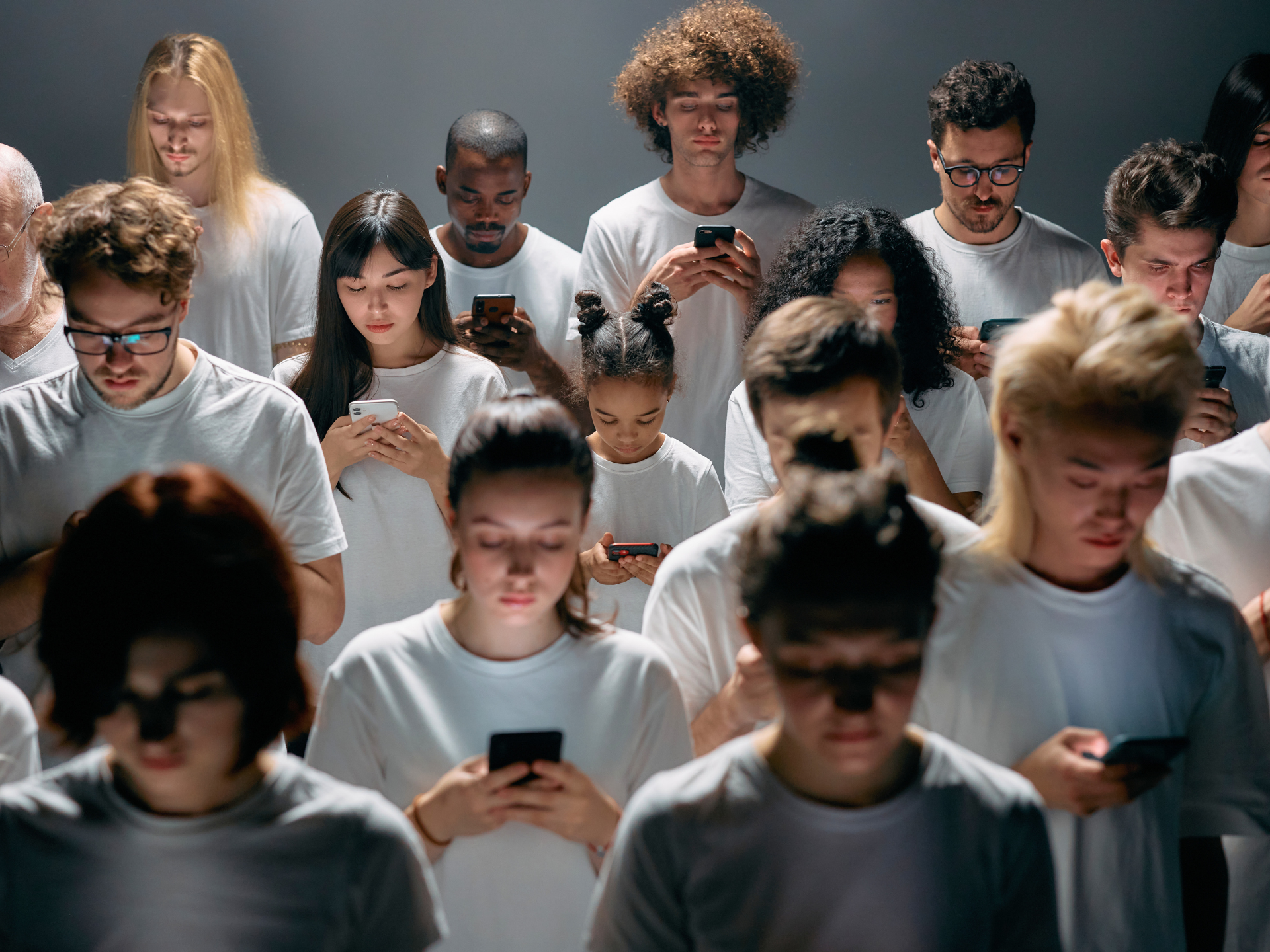
Noise, crowds, travel, and busy environments can overload the nervous system and lead to fatigue.
4. Routine disruption
Changes in sleep patterns and daily structure can contribute to tiredness and irritability afterward.
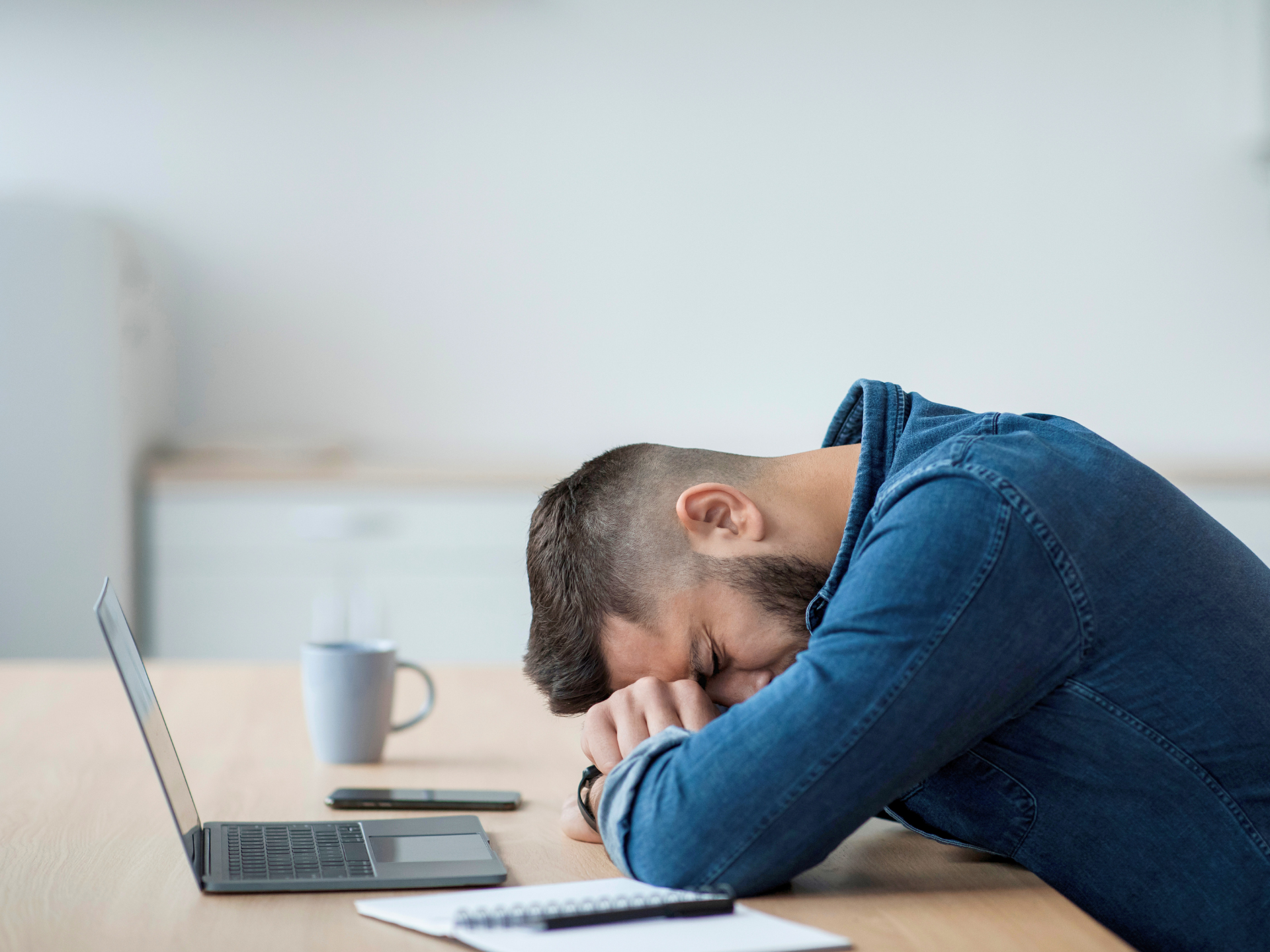
Signs of Post-Social Burnout
- Feeling drained after social interaction
- Increased desire for isolation
- Irritability or low mood
- Difficulty focusing
- Physical fatigue
How to Recover
- Allow yourself quiet time after social events
- Prioritize sleep and hydration
- Reduce stimulation such as screens, noise, and extra plans
- Return to normal routines gradually
- Give yourself permission to rest without guilt
When It Becomes a Concern
If burnout after social events happens frequently or feels severe, it may be related to underlying anxiety, depression, or sensory sensitivity. Professional support can help identify patterns and build healthier coping strategies.
At Blue Umbrella Psychiatry, we help patients understand their emotional energy, manage stress, and build long-term coping skills through therapy, medication management, and advanced treatment options.