Sensory Overload: Managing Stress in Busy Environments

Sensory Overload: Managing Stress in Busy Environments

When the World Feels Too Loud


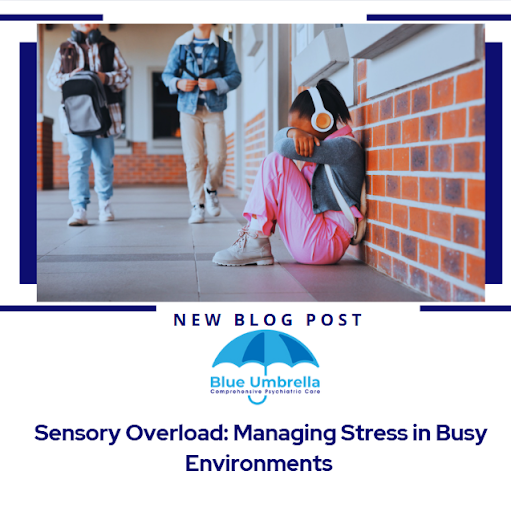
Between bright lights, crowded stores, and nonstop notifications, sensory overload is common—especially during the holidays. For those with anxiety, ADHD, or autism spectrum sensitivities, overstimulation can lead to irritability, panic, or shutdown.


Even without a diagnosis, too much input—sounds, smells, visual clutter—can overwhelm the brain’s ability to process and regulate emotions.


Signs of Sensory Overload


  • Feeling tense, restless, or trapped in busy environments
  • Headaches or fatigue after errands or events
  • Snapping at small things or needing isolation to “reset”
  • Difficulty focusing due to excessive background noise

Why It Happens


Our nervous systems are constantly scanning for safety. When stimuli pile up, the brain perceives overload as a threat, activating the stress response. Over time, this can contribute to chronic anxiety or burnout.


How to Reground and Recharge


Managing sensory stress is about calming the body and environment:


  • Take micro-breaks: Step outside or close your eyes for a minute.
  • Use grounding techniques: Focus on your breath or one calming sense.
  • Simplify your surroundings: Declutter spaces and mute unnecessary alerts.
  • Communicate needs: It’s okay to leave early or take quiet time.

Support That Helps


Therapy and psychiatric care can help individuals understand their sensory triggers and build personalized coping plans to prevent overwhelm.


Finding Calm Amid the Chaos


The world isn’t always quiet—but your mind can be. By creating moments of stillness, you can protect your peace even in busy seasons.


📞 Call Blue Umbrella Psychiatry at 954-341-5215 to learn how we can help you manage sensory stress and restore balance in your daily life.



January 8, 2026
Adolescence is a critical time for social development. Teens are learning to navigate friendships, school environments, and extracurricular activities, all while managing the emotional changes of growing up. Many teens experience anxiety, social discomfort, or avoidance behaviors that can impact their ability to engage with peers confidently.  Blue Umbrella Psychiatry is excited to introduce the Vibe & Thrive Teen Social Skills Group, designed for teens aged 13–17 to practice social skills, reduce anxious thoughts, and build confidence in a safe and supportive environment.
January 1, 2026
As we step into a new year, it’s natural to reflect on what we’ve achieved and what we hope to accomplish in the months ahead. While physical health goals often take center stage, mental health is equally important. Prioritizing emotional wellness, resilience, and personal growth can set the tone for a fulfilling 2026.
December 25, 2025
On this Christmas Day, we want to take a moment to thank our patients for letting Blue Umbrella Psychiatry be a part of your mental health journey in 2025. Your trust in us means the world, and we’re especially grateful to those who referred family and friends, joined our therapy groups, and moved with us to our new location. You make our community stronger, and we truly appreciate every one of you.  The end of the year is a great time to pause, reflect, and celebrate the progress you’ve made—even small steps matter. Whether it was attending sessions regularly, trying new coping strategies, or supporting a loved one’s mental health, your commitment deserves recognition.
December 18, 2025
The holiday season can be joyful, but it can also bring stress, irregular routines, and emotional challenges. At Blue Umbrella Psychiatry, we understand how the holidays affect mental health, and we’re here to offer practical strategies to help you maintain balance, manage stress, and enjoy the season.
December 11, 2025
The start of a new year is a natural time to reflect, reset, and set goals—not just for work or fitness, but for your mental health as well. At Blue Umbrella Psychiatry, we know that small, realistic steps often lead to the most meaningful change. Here’s what you need to know about setting mental health goals and how we can support you in achieving them.
December 4, 2025
Mental health care continues to evolve, and 2025 has brought new insights into how patients can access care, manage symptoms, and get the support they need. At Blue Umbrella Psychiatry, we’ve seen firsthand how these trends impact our patients, and we want to share what you need to know to take control of your mental health.
November 20, 2025
Rest to Reset: How Sleep Shapes Your Mental Health
November 13, 2025
The Power of Social Connection: Beating Loneliness Through Community
November 6, 2025
Decision Fatigue: When Too Many Choices Drain Your Mind
October 30, 2025
Facing Fears: Understanding Phobias & Anxiety Around Halloween