World Mental Health Day: What Can You Do to Prioritize Your Mental Well-being?

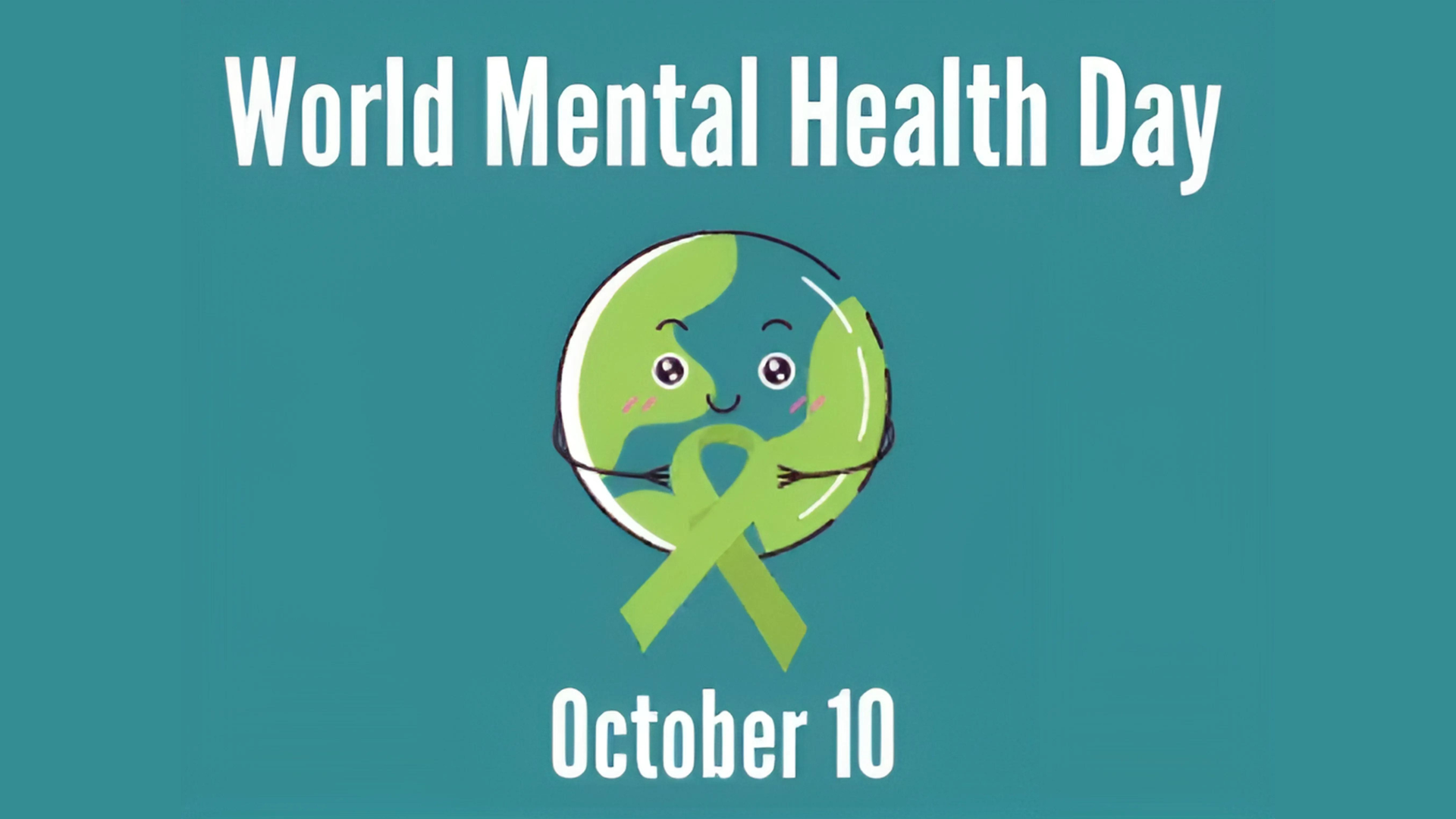
Every year, on October 10th, people around the globe come together to observe World Mental Health Day, a day dedicated to raising awareness, reducing stigma, and promoting the importance of mental well-being. This year’s theme emphasizes the need for everyone to make mental health and well-being a priority, as we all play a role in our own mental health journey and in supporting others.
At Blue Umbrella Psychiatry, we recognize that mental health is just as vital as physical health, and we’re here to help you take proactive steps toward a balanced, healthy mind. Whether you're managing stress, anxiety, or depression, or simply looking for ways to improve your emotional resilience, today is the perfect time to reflect on how you can take charge of your mental well-being.


What Does World Mental Health Day Entail?


This day serves as a reminder to:


  • Break the Stigma: Mental health conversations should be as normal as discussing physical health. We encourage open conversations around mental health struggles and triumphs to reduce the stigma.


  • Support Each Other: Whether it’s by checking in on loved ones or offering resources, creating a supportive community can make a significant difference.


  • Seek Help When Needed: Sometimes, self-care isn’t enough, and seeking professional help is an important step.


What Can You Do on World Mental Health Day?


There are several ways to honor this important day by making your mental health a priority:


1. Check In with Yourself


Take a moment to assess how you’re feeling emotionally and mentally. Are you experiencing stress, anxiety, or fatigue? Are there certain areas of your life where you feel unsupported or overwhelmed? A self-check-in can help you understand where you might need more care.


2. Practice Mindfulness


Mindfulness practices such as meditation, deep breathing exercises, or yoga can help you center yourself and reduce anxiety. Try dedicating just 10 minutes today to focus on your breath and observe your thoughts without judgment.


3. Engage in Physical Activity


Physical activity is a great way to boost your mood and reduce stress. Whether it’s a walk in the park, a workout, or even a dance session, moving your body can help release endorphins and improve mental well-being.


4. Reach Out for Professional Support


If you’ve been feeling down or struggling with your mental health, World Mental Health Day is an excellent reminder that seeking help is a sign of strength. At Blue Umbrella Psychiatry, we offer a range of services tailored to your needs, including:


  • Therapy Sessions: Work with our licensed therapists to talk through your challenges and develop coping strategies.


  • Medication Management: If needed, we can help manage medications to support your mental health, whether you're dealing with anxiety, depression, or other conditions.


  • Advanced Treatments for Depression: We provide cutting-edge treatments like TMS (Transcranial Magnetic Stimulation), Ketamine Therapy, and Spravato for those with treatment-resistant depression.


5. Connect with Others


On this day, take the opportunity to reach out to friends, family, or colleagues. Share your experiences, listen to others, and foster an environment of support and understanding.


Make Mental Health a Year-Round Priority


While World Mental Health Day brings awareness to the importance of mental well-being, it’s essential to care for your mental health year-round. Let this day be a starting point for creating healthier habits, reaching out for help, and advocating for your mental wellness.


If you’re ready to take the next step in prioritizing your mental health, contact Blue Umbrella Psychiatry today at 954-341-5215. Our compassionate team is here to support you, no matter where you are in your journey.


March 12, 2026
Mental health treatment has evolved significantly over the past decade. While therapy and medication remain foundational tools, advances in neuroscience have created additional options for individuals who need something different. One of the most established and research-supported of these options is Transcranial Magnetic Stimulation (TMS). At Blue Umbrella Psychiatry , we provide TMS therapy for adults with treatment-resistant depression, individuals with OCD, and adolescents with depression — and in many cases, treatment may be covered by insurance.
March 5, 2026
You’ve tried therapy. You’ve tried medication. You’ve given it time. And yet, something still feels heavy. For many individuals struggling with depression, anxiety, mood instability, or persistent symptoms, the path to feeling better is not always linear. When traditional antidepressants or therapy alone haven’t provided enough relief, it does not mean you have failed treatment. It may mean your brain needs a different approach. At Blue Umbrella Psychiatry , we now offer ketamine therapy in three forms: IV, IM, and in-clinic oral administration , allowing for personalized care based on clinical needs and patient comfort.
February 26, 2026
From the outside, everything looks good. You show up to work. You meet deadlines. You’re reliable, organized, and productive. People might even describe you as “on top of things.” But inside, it’s a different story. Your mind rarely slows down. You’re constantly anticipating problems, replaying conversations, or mentally running through to-do lists. Rest doesn’t feel restorative. Even on “good” days, there’s a persistent sense of tension, pressure, or exhaustion. This is often what high-functioning anxiety looks like—and it’s more common than many people realize.
February 19, 2026
Most of us have had a rough night of sleep and felt the effects the next day—irritable, foggy, unfocused, or emotionally sensitive. But when sleep problems become ongoing, they can affect much more than just energy levels. There’s a strong, two-way relationship between sleep and mental health, and understanding that connection is an important step toward feeling better. At Blue Umbrella Psychiatry, we often see how closely sleep and emotional well-being are intertwined. Let’s take a closer look at why sleep matters so much for mental health—and what to do when it’s not going well.
February 11, 2026
What to Expect When Starting an Antidepressant 
February 5, 2026
Why Talking to Others Is Good for Your Mental Health (Even When It Feels Hard)
January 29, 2026
How Small Wins Build Confidence and Resilience
January 22, 2026
As the new year begins, many people resolve to improve physical health, but emotional and mental well-being is just as crucial. Stress, anxiety, and overwhelming responsibilities can accumulate, making it difficult to focus, sleep, or feel at ease. Mindfulness and coping strategies are evidence-based tools that can improve emotional regulation, resilience, and overall quality of life.
January 15, 2026
Anxiety is one of the most common mental health challenges in adolescence. According to the Anxiety & Depression Association of America, nearly 1 in 3 adolescents experiences an anxiety disorder at some point, often leading to avoidance behaviors. Avoidance may provide temporary relief but can reinforce fears and limit personal growth.
January 8, 2026
Adolescence is a critical time for social development. Teens are learning to navigate friendships, school environments, and extracurricular activities, all while managing the emotional changes of growing up. Many teens experience anxiety, social discomfort, or avoidance behaviors that can impact their ability to engage with peers confidently.  Blue Umbrella Psychiatry is excited to introduce the Vibe & Thrive Teen Social Skills Group, designed for teens aged 13–17 to practice social skills, reduce anxious thoughts, and build confidence in a safe and supportive environment.