Transforming OCD Treatment: TMS at Blue Umbrella Psychiatry

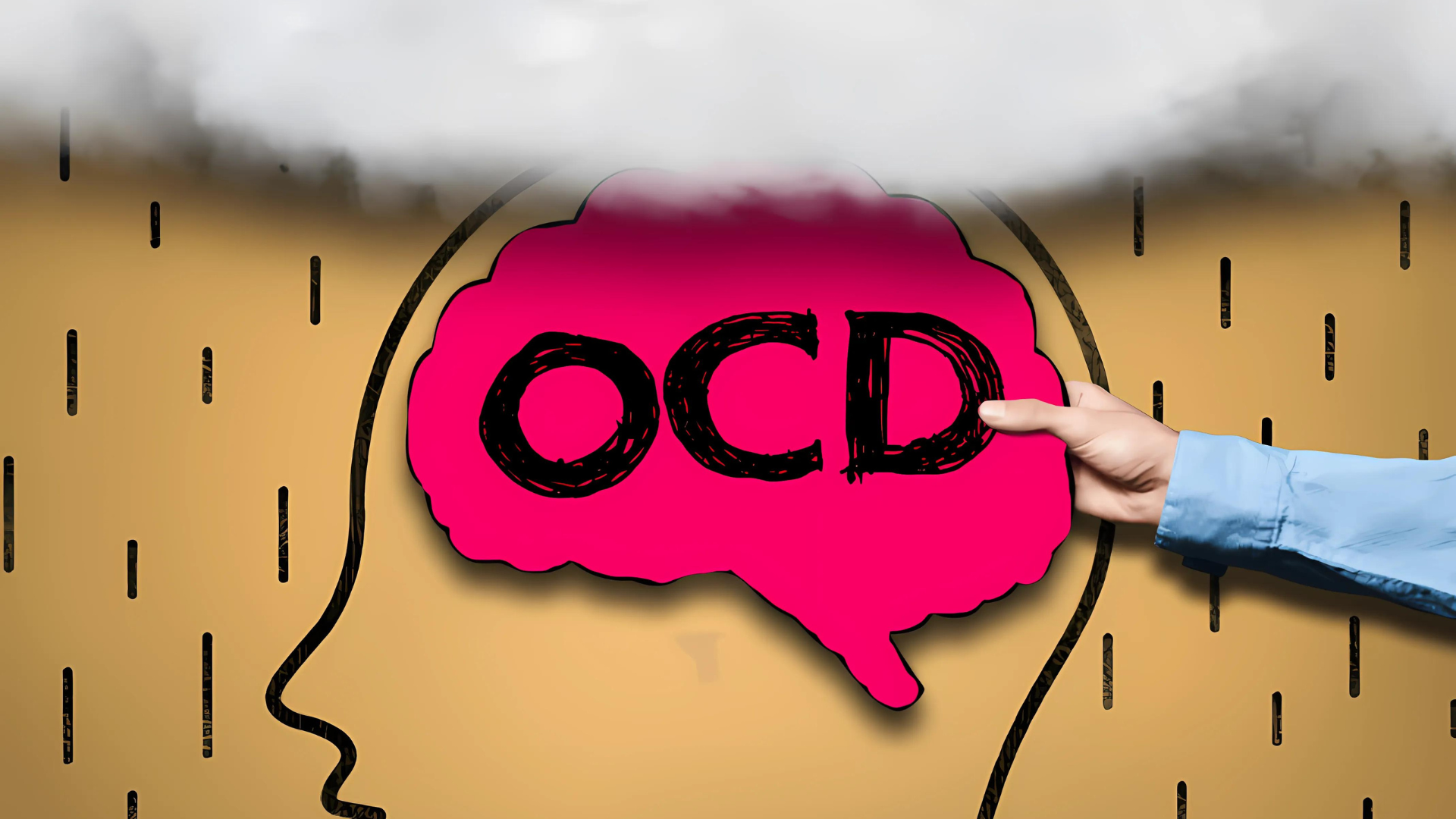
Obsessive-Compulsive Disorder (OCD) can be a debilitating condition, often leaving individuals feeling trapped in cycles of anxiety and compulsive behaviors. Traditional treatment options, including therapy and medication, can be effective, but they don’t work for everyone. That’s where Transcranial Magnetic Stimulation (TMS) comes in as an innovative and FDA-approved treatment option specifically for those struggling with OCD.
What is TMS?


TMS is a non-invasive procedure that uses magnetic fields to stimulate nerve cells in the brain. By targeting specific areas associated with mood regulation and anxiety, TMS aims to alleviate symptoms of various mental health conditions, including OCD. While we have successfully utilized TMS in our office for treatment-resistant depression, its application for OCD is a new and exciting development in our treatment offerings.


FDA Approval for OCD Treatment


Recent research has highlighted the efficacy of TMS in treating OCD, leading to its FDA approval for this specific use. Studies have shown that TMS can significantly reduce OCD symptoms, offering hope to those who have struggled with the condition for years. By modulating neural activity, TMS helps recalibrate the brain's pathways involved in anxiety and compulsive behaviors, promoting a healthier response to triggers.


The Science Behind TMS and OCD


Research indicates that TMS can create lasting changes in brain function, particularly in the prefrontal cortex, which is often underactive in individuals with OCD. This stimulation helps restore balance in the brain’s circuitry, resulting in a reduction of obsessive thoughts and compulsive actions.


At Blue Umbrella Psychiatry, we stay updated on the latest advancements in mental health treatment, ensuring our patients have access to cutting-edge options. TMS therapy is performed at our Breakthrough Center, where Dr. Eric Robbins conducts the mapping and sets the protocol for your daily sessions with our technician, providing personalized care tailored to your unique needs.


What to Expect During TMS Treatment


If you choose to pursue TMS therapy, you can expect a straightforward and comfortable experience. Treatment sessions typically last around 20-40 minutes and can be completed in our serene clinic environment. Patients often describe the process as painless, with most only feeling a mild tapping sensation on the scalp.


The number of sessions required varies, but many individuals notice improvements after just a few treatments. Our team will monitor your progress closely, making adjustments as needed to maximize the benefits of TMS.


Take the Next Step


If you or a loved one is struggling with OCD and seeking new treatment options, consider exploring TMS therapy at Blue Umbrella Psychiatry. With its FDA approval and growing body of research supporting its effectiveness, TMS could be the breakthrough you’ve been waiting for.


Contact us today at 954-341-5215 to schedule a consultation and learn more about how TMS can help you reclaim your life from OCD.


March 12, 2026
Mental health treatment has evolved significantly over the past decade. While therapy and medication remain foundational tools, advances in neuroscience have created additional options for individuals who need something different. One of the most established and research-supported of these options is Transcranial Magnetic Stimulation (TMS). At Blue Umbrella Psychiatry , we provide TMS therapy for adults with treatment-resistant depression, individuals with OCD, and adolescents with depression — and in many cases, treatment may be covered by insurance.
March 5, 2026
You’ve tried therapy. You’ve tried medication. You’ve given it time. And yet, something still feels heavy. For many individuals struggling with depression, anxiety, mood instability, or persistent symptoms, the path to feeling better is not always linear. When traditional antidepressants or therapy alone haven’t provided enough relief, it does not mean you have failed treatment. It may mean your brain needs a different approach. At Blue Umbrella Psychiatry , we now offer ketamine therapy in three forms: IV, IM, and in-clinic oral administration , allowing for personalized care based on clinical needs and patient comfort.
February 26, 2026
From the outside, everything looks good. You show up to work. You meet deadlines. You’re reliable, organized, and productive. People might even describe you as “on top of things.” But inside, it’s a different story. Your mind rarely slows down. You’re constantly anticipating problems, replaying conversations, or mentally running through to-do lists. Rest doesn’t feel restorative. Even on “good” days, there’s a persistent sense of tension, pressure, or exhaustion. This is often what high-functioning anxiety looks like—and it’s more common than many people realize.
February 19, 2026
Most of us have had a rough night of sleep and felt the effects the next day—irritable, foggy, unfocused, or emotionally sensitive. But when sleep problems become ongoing, they can affect much more than just energy levels. There’s a strong, two-way relationship between sleep and mental health, and understanding that connection is an important step toward feeling better. At Blue Umbrella Psychiatry, we often see how closely sleep and emotional well-being are intertwined. Let’s take a closer look at why sleep matters so much for mental health—and what to do when it’s not going well.
February 11, 2026
What to Expect When Starting an Antidepressant 
February 5, 2026
Why Talking to Others Is Good for Your Mental Health (Even When It Feels Hard)
January 29, 2026
How Small Wins Build Confidence and Resilience
January 22, 2026
As the new year begins, many people resolve to improve physical health, but emotional and mental well-being is just as crucial. Stress, anxiety, and overwhelming responsibilities can accumulate, making it difficult to focus, sleep, or feel at ease. Mindfulness and coping strategies are evidence-based tools that can improve emotional regulation, resilience, and overall quality of life.
January 15, 2026
Anxiety is one of the most common mental health challenges in adolescence. According to the Anxiety & Depression Association of America, nearly 1 in 3 adolescents experiences an anxiety disorder at some point, often leading to avoidance behaviors. Avoidance may provide temporary relief but can reinforce fears and limit personal growth.
January 8, 2026
Adolescence is a critical time for social development. Teens are learning to navigate friendships, school environments, and extracurricular activities, all while managing the emotional changes of growing up. Many teens experience anxiety, social discomfort, or avoidance behaviors that can impact their ability to engage with peers confidently.  Blue Umbrella Psychiatry is excited to introduce the Vibe & Thrive Teen Social Skills Group, designed for teens aged 13–17 to practice social skills, reduce anxious thoughts, and build confidence in a safe and supportive environment.